
Overview of Geographic tongue
Geographic tongue is a harmless inflammatory condition that affects the surface of your tongue. Geographic tongue is also referred as benign migratory glossitis. Although it may look alarming, it doesn’t cause health problems and isn’t associated with infection or cancer. The condition only manifests after eating specific exacerbating foods but is usually chronic. The causes of this condition vary but commonly include vitamin B deficiencies, food allergies, and hormonal changes.
Read here Geographic tongue causes, signs and symptoms, cure, diagnosis and treatment along with facts, myths and statistics & FAQs.

What is Geographic tongue?
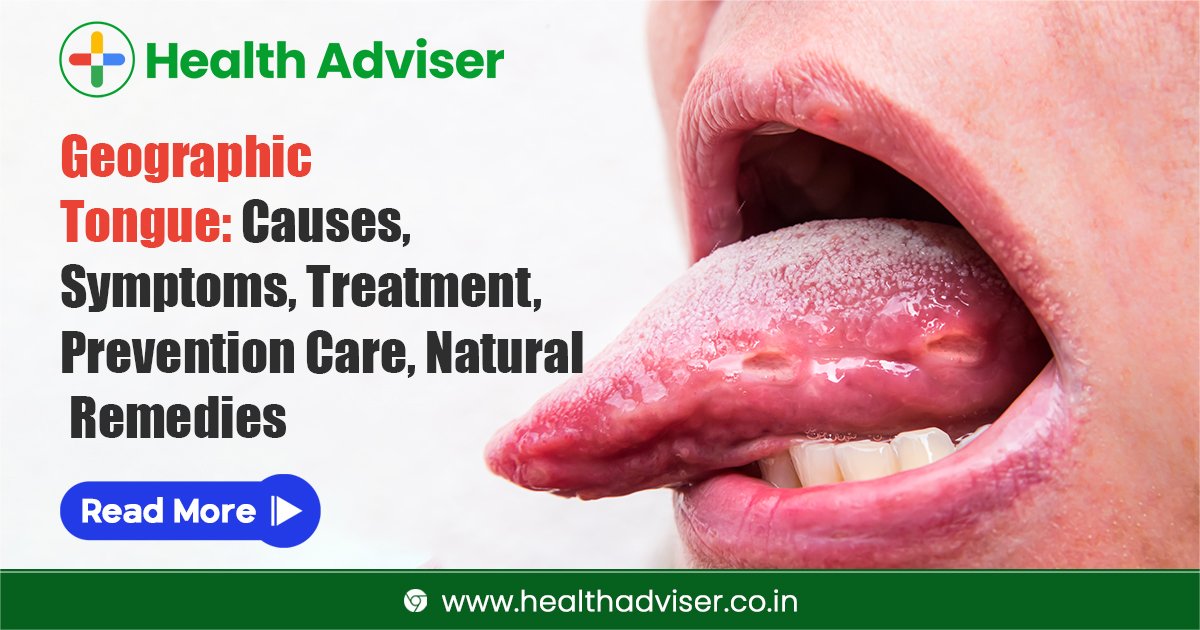
Geographic tongue is a condition in which map-like patterns appear in the tongue. If you have this condition, irregularly shaped red patches appear in your tongue and although these are not painful, these can be sensitive at times and may be uncomfortable. If you are suffering from this condition, find out some geographic tongue treatment and tips to help you prevent it.
This tongue condition is also characterized by the loss of the small nipple-like structures in the surface of the tongue. The cause of this may not be known but there are triggering factors that can increase your risk of having one.
Geographic tongue occurs more often in women, especially during high hormonal times such as during ovulation or pregnancy or while taking birth control (generally around the 17th day).
Know more about everything You ever wanted to know about Geographic Tongue and its causes, symptoms, treatment prevention, natural remedies food to eat and avoid etc. everything you need to learn your tongue health.
What are the signs of geographic tongue?
Signs of Geographic Tongue include the presence of several large, red, slightly depressed and usually smooth patches on the surface of the tongue. The red areas are often bordered with distinct white bands which gives the tongue the appearance of a map.
Unless an oral hygienist or another health professional picks it up, most people are unaware of the condition. However, according to researchers, about one in ten people with geographic tongue may experience mild discomfort or a burning and/or painful sensation.
This is often worsened by:
- Hot, spicy or acidic foods
- Cigarette smoke
- Toothpaste
What are the Symptoms of geographic tongue?
The geographic tongue does not always cause symptoms and some people will not notice the change in appearance and only receive a diagnosis after a doctor’s exam. A person who notices the symptoms may initially see signs on the tongue. These signs and symptoms are distinct and often make diagnosis easy for your doctor.
The geographic tongue symptoms are as follows:
- irregular, island-shaped red lesions that are smooth and possibly sensitive
- white or light-colored borders that may be slightly raised around the edges of the lesions
- patches or lesions of varying sizes and shapes
- patches or lesions that appear to migrate or move from one area of the tongue to another in a matter of days or weeks
- patches that come and go very quickly
- sensitivity to certain substances, including cigarette smoke, toothpaste, mouthwashes, sweets, sugar, and hot, spicy, or highly acidic foods
- mild discomfort or burning sensations on the tongue or in the mouth
Symptoms can last as long as a year and can return at another point.
Some people who experience a geographic tongue will also develop a fissured tongue which occurs together frequently. A fissured tongue causes cracks and grooves in the surface of the tongue which can be irritating and sometimes painful.
What Causes a person to have a geographic tongue?
No one knows what exactly causes geographic tongue, but certain people may be more likely to develop it than others and these people typically increase their risk.
- Psoriasis: This common skin condition causes a build-up of skin cells on the surface of the skin. The thick scaly patches which are caused due to an overabundance of skin cells are frequently itchy and uncomfortable. Some experts think the geographic tongue is an oral form of psoriasis and people with psoriasis are more likely to develop geographic tongue.
- Lichen planus: This inflammatory condition causes bumps and lesions on the surface of the skin or inside the mouth and it may be the oral form of this condition.
- Vitamin B deficiency: Having too little vitamin B can cause inflammation, swelling, and other symptoms on the tongue. People who are vitamin B deficient are more likely to have bald areas on the tongue and these areas are where the papillae have disappeared. Usually, geographic tongue develops among the people who do not have enough Vitamin B.
- Pregnancy: The growing fetus saps a lot of nutrients from the mother’s body and pregnant women go through a lot of hormonal changes. She may experience symptoms like a geographic tongue and this can make a mother vitamin deficient.
Risk factors of geographic tongue
The following are the factors that are likely associated with an increased risk include:
- Having a family history of geographic tongue increases the risk of getting one.
- Having another tongue disorder such as fissured tongue also increases the risk of having geographic tongue.
- In fissured tongue, there are deep grooves or fissures on the tongue’s surface which causes risk.
- Adults and elderly tend to suffer more from geographic tongue than children.
- It is also more often seen in women than men.
Geographic tongue – Complications
Geographic tongue is a benign condition that doesn’t pose a threat to your health but causes long-term complications or increases your risk of major health problems.
However, your anxiety about the Geographic tongue is fairly common because:
- The appearance of the tongue may be embarrassing, depending on how visible the lesions are
- It may be difficult to be reassured that there is, in fact, nothing seriously wrong
Diagnosis of geographic tongue
Your physician or dentist based on an examination of your tongue and your signs and symptoms can usually make a diagnosis of geographic tongue.
While examining your condition, your physician or dentist may:
- Use a lighted instrument to check your tongue and mouth
- Ask you to move your tongue around in various positions
- Gently touch (palpate) your tongue to check for tenderness or unusual changes in the tongue’s texture or consistency
- Check for signs of infection, such as fever or swollen lymph nodes in the neck
Treatment of geographic tongue
Your doctor may recommend the following medications in order to manage discomfort or sensitivity.
- Over-the-counter pain relievers
- Mouth rinses with an anesthetic
- ointments or rinses
- Vitamin B supplementation, in some cases
These geographical tongue treatments haven’t been studied rigorously and their benefit is uncertain. This condition resolves on its own and has an unpredictable course that you may not be able to tell if the symptomatic treatments are actually working.
Can geographic tongue be cured? Know the Treatment options
The geographic tongue does not have a treatment or cure because most lesions and symptoms will disappear in a few days or weeks. Still, some treatments may help you to reduce symptoms:
- OTC medicine: Any pain or discomfort caused by the lesions may be treated with an over-the-counter pain medicine like ibuprofen or naproxen sodium.
- Prescription medicine: Your doctor may prescribe a medication to help reduce the inflammation and a mouth rinse with a mild anesthetic may also help reduce pain and irritation.
- Avoid problem foods: If you experience greater irritation with certain foods, avoid them because some foods that commonly cause irritation or a burning sensation include hot or spicy foods, acidic foods, salty foods, and sweet foods.
- Avoid flavored toothpaste: Toothpastes that are highly flavored or have added astringent cleaning ingredients may irritate your tongue.
Preparing to Get your doctor appointment
Make an appointment with your dentist if you’re concerned about the appearance of your tongue.
What you can do?
You can make the most of your appointment by preparing questions ahead of time. The below listed are some of the basic questions to ask your doctor:
- What’s the likely cause of my condition?
- Could there be any other possible causes?
- Is my condition permanent?
- What treatments are available?
- Is there anything I can do at home to relieve discomfort?
- What should I do if my condition flares up again?
What to expect from your doctor?
Your doctor may ask you the following questions, so be prepared with the answers.
- When did the lesions first appear?
- Have the lesions changed in appearance or location on your tongue?
- Have you had any other lesions in your mouth?
- Have you experienced any discomfort or pain?
- Does anything, such as spicy or acidic food, seem to trigger pain?
- Have you had any other symptoms that may seem unrelated to the condition of your tongue?
- Have you had a fever?
When to Contact a Medical Professional?
If the symptoms last longer than 10 days, call your provider. Seek medical help right away in the case or if:
- You have breathing problems.
- Your tongue is severely swollen.
- You have problems speaking, chewing, or swallowing
- You cannot eat because of your pain.
- Your pain gets worse.
- You have lesions that last for more than 10 days.
- You have questions or concerns about your condition or care
Quick facts on Geographic Tongue:
- The patches on the tongue are caused by an absence of papillae or tiny bumps in the affected area.
- The patches are smooth and red and in some cases, the edges may appear to be slightly raised.
- Geographic tongue is not a common condition and tends to affect adults approaching midlife.
- Often, the smooth patches will heal in one area of the tongue then reappear on another area.

How to Get rid of Geographic Tongue – Amazing Home Remedies for Geographic Tongue
Dietary & Lifestyle Changes: The best home remedy to expedite the process of healing of the patches formed by Geographic Tongue is making dietary and lifestyle changes. Adapt the following diet changes
- Avoid eating spicy and acidic foods.
- Abstain from smoking as long as possible.
- Avoid flavored candy.
- Avoid processed foods.
Increase Fluid Intake: Increasing fluid intake throughout the day so as to keep the body well hydrated. This increase in fluid intake causes increased production of saliva which is good for oral health and some of the ways to keep hydrated during the healing process from Geographic Tongue are:
- Drinking significant amounts of water throughout the day.
- Eat frozen chunks of watermelon and cucumber.
- Fruit juice or vegetable juice.
- Drink at least a couple of glasses of coconut water every day.
- Drink chilled green or chamomile tea.
- Avoid regular tea, coffee, and alcoholic beverages.
Vegetable Glycerin: As an effective Home Remedy for Geographic Tongue, it is quite useful in keeping the tongue moist which hastens the healing process. It prevents the bad breath caused due to Geographic Tongue. Soak a cotton ball in vegetable glycerin and apply it on the tongue, leave it there for about five minutes and then brush the tongue with a soft toothbrush and rinse. Repeat this process at least two times a day for about a week to 10 days for complete relief from Geographic Tongue.
Aloevera: Aloevera has anti-inflammatory properties and is also one of the effective Home Remedies for Geographic Tongue as it helps in getting rid of bad breath caused by Geographic Tongue. Rinse your mouth with the Aloe Vera juice two to three times a day for a week so as to get relief from the symptoms of Geographic Tongue.
Apple Cider Vinegar: Apple Cider Vinegar is useful to get rid of Geographic Tongue as well. It is one of the effective home remedies that help to treat infections effectively. It contains anti-inflammatory properties which are quite useful in getting rid of Geographic Tongue. Mix 1 tablespoon of Apple Cider Vinegar with about 0.25 teaspoon of baking soda with water and use the solution as a mouthwash. Rinse the mouth two to three times a day for a few days for the optimal results.
Coconut Oil: This is an ancient and working way of treating oral infections like Geographic Tongue. Sip a teaspoon of coconut oil and move it around the tongue for a few minutes and spit the oil out. Then after, rinse the mouth with warm water and brush the teeth normally. Before brushing your teeth, follow the process for few days until the symptoms subside.
Mint Leaves: Mint is a very good Home Remedy for Geographic Tongue as it prevents the growth of bacteria in the mouth and prevents oral infections. It also prevents burning sensation in the tongue as a result of Geographic Tongue. You have to prepare a hot cup of tea with mint leaves in it and drink it at least two to three times a day.
Hydrogen Peroxide: This is yet another excellent Home Remedy to get rid of Geographic Tongue because it helps in getting rid of the red patches that are formed due to Geographic Tongue. It includes antibacterial properties which prevent the mouth from getting any oral infections.
All you need to do is prepare a solution of hydrogen peroxide with the percentage of hydrogen peroxide not exceeding 3-4% and soak a cotton ball in this solution. Apply this solution on the tongue and wait for a few seconds and then rinse the mouth with warm water. Do this for few times a day and about a week for optimum relief.
Can Certain Foods Cause Geographic Tongue?
Read more about Food Allergies
A geographic tongue usually causes stinging or burning sensations, pain, swelling or numbness. Geographic tongue alters papillae where the small protrusions on which taste bud are located and are evenly spread out on unaffected tongues.
However, close examination shows red patches with grayish-white borders on the surface of the geographic tongue whereas the papillae are missing within the red patches, but clustered in the gray areas.
Foods and beverages precipitate symptoms which disappear and reappear with the change in shape or size within hours or days. Although this condition may run in families, the true cause of the condition is uncertain.
- Fruits: There are no known cures for a geographic tongue. However, you can avoid foods that may aggravate the condition which inhibits symptoms and alleviate discomfort. The common triggers for geographic tongue flare-ups are the Acidic and citrus fruits, tomatoes and pineapples. These fruits can cause the worst reactions in the fruit category. It doesn’t cause any health problems and is not associated with infections or cancer, the only thing it troubles is the appearance which may be unfamiliar and possibly disturbing. Consult with an oral health care provider, if sores develop on your tongue or in another part of your mouth.
- Spicy Foods: Many people who have a geographic tongue do not experience pain or loss of taste but they do feel occasional irritation in affected spots on the tongue. This may result in increased sensitivity and discomfort when eating certain foods. Foods those containing chili peppers or chili powder like hot, spicy foods and sauces are the prime causes of symptoms.
- Nuts: Geographic tongue is also known as benign migratory glossitis is a non-malignant, non-invasive inflammation of the tongue with patches or lesions on the tongue have a map-like or geographic pattern that heals in one part of the tongue and then migrates or moves to another. Walnuts and pecans cause inflammation, stinging and sometimes pain when eaten by someone who has a geographic tongue.
- Vegetables: Vegetables such as eggplant, chard, and spinach can provoke a reaction on the tongue. However raw spinach is less problematic than cooked spinach and people suffering from geographic tongue may also have a fissured tongue. Fissured tongue is a disorder that causes deep fissures or grooves on the surface of the tongue. Cooked spinach enters the grooves of a geographic tongue and causes irritation, swelling, and discomfort for some people.
- Other Foods: The surface of a geographic tongue changes quickly and this happens when food or substance affects the tongue’s papillae and renders them flat rather than protruding. These areas are described as denuded and can persist for months by making the tongue more sensitive. Foods including strong cheeses, such as those in the bleu or Swiss cheese families; oregano, the seasoning used in tomato sauces and on fish or poultry; and strongly flavored candies, such as peppermint or cinnamon hard candy can cause this to happen.
How do you heal your Geographic tongue?
Follow the below instructions in order to heal your geographic tongue.
- Do not eat hot, spicy, or salty foods.
- Do not have acidic drinks, such as orange juice.
- Do not use toothpaste with additives or whitening agents.
- Do not smoke because it can cause increased mouth pain.
Treatment of Geographic tongue
The following are the different treatments through which Geographic Tongue can be healed.
- Homeopathic Treatment of Geographic tongue
- Acupuncture & Acupressure Treatment of Geographic tongue
- Psychotherapy Treatment of Geographic tongue
- Conventional / Allopathic Treatment of Geographic tongue
- Surgical Treatment of Geographic tongue
- Dietary & Herbal Treatment of Geographic tongue
- Other Treatment of Geographic tongue
Homeopathic Treatment of Geographic Tongue
It is not a tongue disease, it is a disorder. So, it is better to consult nearest homeopathy clinic and BHMS doctor to diagnose the geographic tongue causes, symptoms of effective treatment.
Conventional / Allopathic Treatment of Geographic tongue
Allopathic Treatment involves the following medications:
- Over-the-counter pain relievers
- Mouth rinses with an anesthetic
- Corticosteroid ointments or rinses
Dietary & Herbal Treatment of Geographic tongue
- Avoid drinking tea and coffee
- Eat more of fiber-rich foods such as cereals, spinach, and fresh vegetables
- Eat foods rich in vitamins and minerals
- Drink plenty of water, fruits juice, and other healthy liquids
Geographic tongue FAQs
Does Geographic tongue hurt?
Geographic tongue is a painless and 100% benign condition where your tongue exhibits patches of different shades of pink which occasionally looks like a map with areas of land and water, hence the name.
The geographic tongue patches are caused by differences within the papillae of the tongue, commonly called taste buds and these patches frequently change the size and location.
Can people get this from me?
Geographic tongue cannot be passed to anyone else as is not contagious.
Is treatment necessary for the geographic tongue?
Geographic tongue usually has no symptoms and there is no need for treatment of this condition in most of the cases.
Can geographic tongue turn to cancer?
No, there has not been any report regarding the geographic tongue causing cancer.
Who gets geographic tongue?
Geographic tongue occurs in about 3 in every 100 people (3%) worldwide. It is more common in adults than in children as is twice as common in females as it is in males and does not appear to be more common in any particular race or group.
What will happen to my tongue?
Geographic tongue is a benign condition that does not become malignant and causes discomfort among some people. It results in no consequences or risks when the patches are present.
Can geographic tongue be prevented?
As the cause of geographic tongue is not known, we cannot prevent it. The only sensible advice to prevent geographic tongue is to keep your mouth very clean and avoid things that might irritate your tongue. The things that are to be avoided include alcohol, spicy foods or irritants in toothpaste and mouth rinses.
What makes it worse?
Sometimes the thin and raw red patches tend to be painful when you eat acidic things like citrus fruit or spicy foods, especially chillies. However, you will soon notice the particular foods which make the condition more uncomfortable or sore.
Do I need any special tests?
No, you don’t need any special tests. However, your doctor or dental team will diagnose the problem just by looking at your tongue.
What I ought to do if it gets worse in any way?
If the condition gets worse, ask your doctor or dentist to refer you to the hospital or surgeon.