
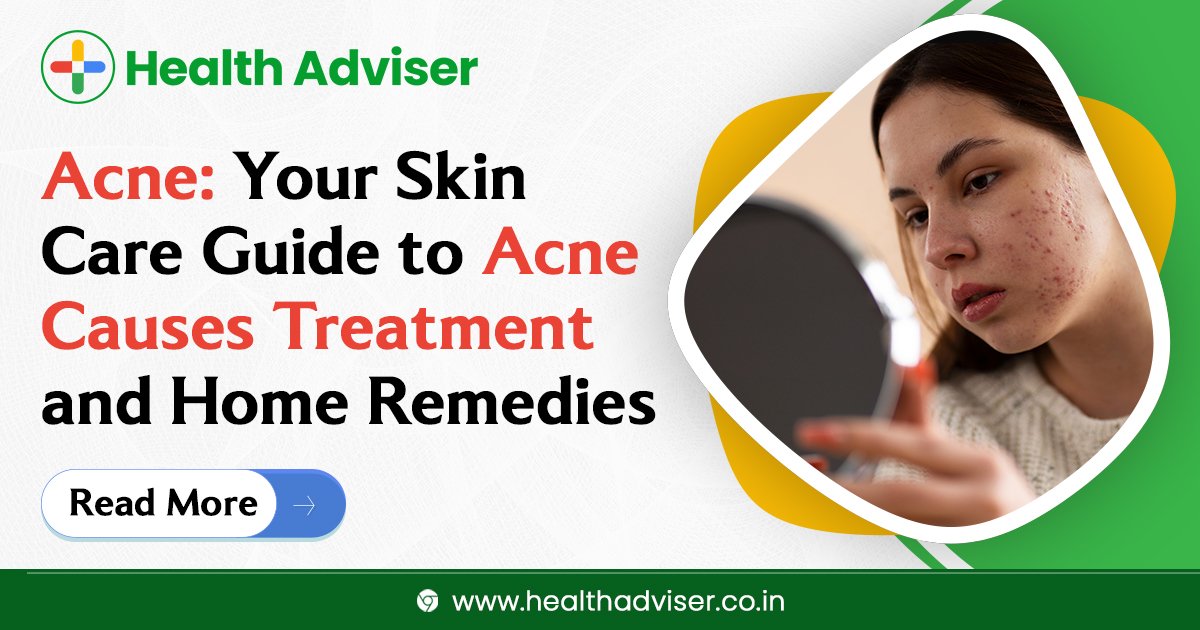
About Acne
Acne persists among thousands of people around the world, from teenagers to adults on the wrong side of middle age. It is an extremely common skin disorder that is very unpleasant, painful, distressing, and often leaves scars even after it is treated.
Acne is a very common disease and people who have it tend to have similar kinds of questions about its treatment. This section addresses some of the common questions about Acne asked by people.

What is Acne?
Acne, also known as acne vulgaris, a long-term skin disease that takes place when hair follicles are closed or clogged with dead skin cells and oil from the skin. Acne is commonly known as Pimples characterized by clogged skin pores.
Normally, the dead cells collected in the skin’s pores rise slowly to the surface of the openings and finally fall away from the skin. Sebum, natural body oil helps to prevent skin cells from drying out. The glands that produce Sebum oil are attached to the pores. The excess sebum builds up and causes dead cells to stick together forming a mixture that gets trapped in the pores.
Whiteheads, blackheads, pimples, cysts, and nodules are all forms of acne. It is common in the age group of 12 to 24 years. According to some surveys, Acne affects around 80% of teenagers and young adults. Nearly 40–50 million Americans have acne at any given time.
What are the types of Acne?
The following are the types of blemish related to acne:
- Non-inflammatory acne
- Whiteheads
- Blackheads
- Inflammatory acne
- Pustules, which are commonly called pimples
- Papules
- Cysts
- Nodules
- Non-inflammatory acne
The Blackheads and whiteheads come under Non-inflammatory acne. These usually don’t cause swelling and respond relatively well to over-the-counter (OTC) treatments.
Blackheads
Blackheads occur when a pore is clogged or blocked by a combination of sebum and dead skin cells. The top of the pore stays open, despite the rest of it being closed. Due to this, a surface of black color can be seen.
Whiteheads
Whiteheads also form when a pore gets blocked or clogged by sebum and dead skin cells. The top of the pore closes up unlike with blackheads. Treating Whiteheads is more difficult because the pores are already closed. Products containing salicylic acid can be helpful to treat them.
- Inflammatory acne
Inflammatory acne is the formation of Pimples that are red, swollen and warm to the touch. This type of acne is more severe than non-inflammatory acne and is more likely to cause complications such as scarring or pitting. Although sebum and dead skin cells together contribute to inflammatory acne, bacteria can also play a role in clogging up pores. Bacteria can cause an infection deep under the skin’s surface. This may cause painful acne spots that are hard to get rid of.
Papules
Papules are Minor to mild forms of acne. These are like bumps under the skin’s surface. They are solid, tender, pink and raised and the skin around a papule is usually somewhat swollen and red. Papules have no visible center and the pores of a papule do not appear to be widened, unlike blackheads.
Papules can be developed when whiteheads or blackheads cause so much irritation by damaging the surrounding skin. This damage can cause inflammation.
Pustules (pimples)
Pustules are larger, tender bumps with a clear circular center. These are filled with whitish or yellowish pus and the bump with a pink or red base. This pus is formed due to Immune and bacterial cells. Pustules are much larger and more inflamed whiteheads.
Nodules
Nodules are hard, painful, inflamed lumps situated deep within the skin. They have no visible center or head. Nodules look like larger, deeper papules. This type of acne lesion can be developed when clogged pores damage tissues and cells deep beneath the skin’s surface. These are severe and can cause skin complications such as dark spots or scarring.
Cysts
Cysts are very large, soft, painful, red or white lumps formed deep in the skin and filled with pus. Cysts can be formed deeper within the skin than nodules and they are the most severe type of acne blemish. Cysts can also cause scarring and other skin complications.
What are the Causes of Acne?
In general, the occurrence of Acne takes place when a pore becomes clogged with dead skin cells, natural body oils, and a type of bacteria called Propionibacterium acnes which lives on the skin. If they enter and infect clogged pores, this causes the formation of acne blemishes. Other reasons for causing acne are
- Overproduction of oil from the skin glands
- Build up of bacteria in the clogged skin pores
- Excess activity of a type of hormone (androgens)
- Hair
- Emotional stress
- Menstruation
- Cosmetics
- Lack of sleep
- Food
Who gets Acne?
You may feel like you are the only one if you have a bad case of acne. But around 40 to 50 million people have acne at any one time. It is one of the most common skin problems among teenagers, women as well as newborn babies.
Most people who have acne are teenagers or young adults, but acne can occur at any age. Newborn babies can get acne. Men and women get acne. Some women will have acne when they reach their middle age.
Dos and Don’ts of Acne
Follow some simple rules to prevent pimples and eruptions formation. Here are some Acne Do’s and Don’ts to try
- Using natural cosmetics like turmeric
- Keep hair clean with regular shampooing
- Do not wash the face excessively with soap
- Avoid oily or greasy cosmetics
- Do not prick or squeeze the pimples, It may get infected.
- Avoid excessive sun exposure
- Choose makeup for sensitive skin and avoid oil-based products. Take away makeup before sleeping.
- try wearing loose clothing to let the skin breathe
- Clean spectacles regularly as they collect sebum and skin residue.
- Do not scrub the pimples, as this may push the infection further down, causing more blocking, swelling, and redness.
- Refrain from touching the face.
- Hold the telephone away from the face when talking, as it is likely to contain sebum and skin residue.
- Try to keep the skin cool and dry in hot and humid climates, to prevent sweating.
- Pressure from bike helmets, backpacks, or tight collars
- Environmental irritants, such as pollution and high humidity
Signs & Symptoms of Acne
Acne generally appears on the face, forehead, chest, upper back and shoulders. Acne signs and symptoms may vary based on the severity of your condition. They generally appear as,
- Whiteheads (closed plugged pores)
- Blackheads (open plugged pores)
- Small red, tender bumps (papules)
- Pimples (pustules), that papules with pus at tips
- Existence of Large, solid, painful lumps (nodules) beneath the surface of the skin
- Painful, pus-filled lumps (cystic lesions) beneath the surface of the skin
- Redness and tenderness
Risk factors of Acne
Risk factors for acne include:
- Age: People of all ages can get acne, but it’s most common in teenagers, both boys, and girls. In female acne occurs two to seven days before their periods.
- Hormonal changes: Due to Hormonal imbalance such changes are common in teenagers, women (especially pregnant women) and girls and people using certain medications those containing corticosteroids, androgens or lithium.
- Family history: Genetics plays an important role in acne. If any of your parents had acne, you’re also likely to get it.
- Greasy or oily substances: You may develop acne where your skin comes into contact with oily lotions and creams or with grease in a work area, such as a kitchen with fry vats.
- Friction or pressure on your skin: This can be caused by items such as telephones, helmets, tight collars cell phones and backpacks.
- Stress: Stress doesn’t cause acne but it may make it worse if you have acne already.
- Certain medications: Some medicines like cortisones & oral contraceptives
Complications of Acne:
People should never pop acne blemishes. This can lead to some severe complications, such as:
- nodules
- cysts
- scarring
- dark spots
- pitting
Self-Care for Acne
The following are some of the self-help strategies which can help you manage acne.
- Use lukewarm water and soap twice daily for washing the face
- Washing the whole body every 2 days
- Reducing stress
- Eating a healthful, balanced diet
- Staying hydrated
- Avoiding over-washing or irritating the skin
- Limiting exposure to the sun
- Always wearing sunscreen when outdoors
- Avoid fatty foods, sweets, chocolates, and other bakery items
- Stress control
- Oil and sweat on your skin can lead to breakouts so take Shower after strenuous activities.

What Can I Do About Acne?
If you are the one worried about acne, the following are some of the tips to keep pimples away:
- To help prevent the oil buildup that can lead to acne, wash your face once or twice a day with warm water and a mild soap or cleanser.
- Don’t scrub your face because scrubbing can actually make acne worse by irritating the skin. Instead of scrubbing wash gently, use your hands instead of a washcloth.
- Make sure the makeup you wear, moisturizer, or sunscreen are oil-free
- When you wash your face, take the time to remove all of your makeup.
- If you use hair sprays or gels, try to keep them away from your face because they can clog pores.
- If you have long hair, keep it away from your face and wash it regularly to reduce oil.
- Baseball caps and other hats can cause pimples along the hairline. Better to avoid them.
- Wash your face after you’ve been exercising and sweating a lot.
- Try not to touch your face.
- Don’t pick, squeeze, or pop pimples.
Home Remedy for Acne
The treatment for acne can be expensive and often have side effects, so it’s better for you to try several home remedies and lifestyle changes that can help to reduce most minor and mild forms of acne. It includes:
- Diet: Include carrots, pumpkin, vegetables, orange, and other fruits in your daily diet. Drink plenty of water which helps in flushing out cellular wastes and gives skin a healthy glow. Avoid food items like ice cream and sweets which contain fat.
- Orange Peel Remedy for Acne: Make a paste of orange peel with water and apply on acne affected areas.
- Neem leaf: Apply Neem leaf paste on acne affected areas.
- Hygiene: Wash & rub your face gently with plenty of cold or warm water repeatedly (3 to 4 times a day) and dry the skin gently with a cotton towel.
- Tea-tree oil: Tea-tree oil may help treat mild to moderate acne.
- Green tea: Green tea is beneficial in reducing sebum production and treating acne.
- Aloe Vera: Moisturizers containing aloevera at a concentration of at least 10 percent can have a soothing and possibly anti-inflammatory effect.
These home remedies are generally helpful for mild acne. The infected cases may require antibiotics but severe cases may require cosmetic surgery.
Treatments for Acne
If you have tried any nonprescription acne products for several weeks and they haven’t helped, consult your doctor so that he/she will prescribe stronger medications and can help you control your acne, avoid scarring or other damage to your skin, and make scars less noticeable.
Acne medications help in reducing oil production, speeding up skin cell turnover, fighting bacterial infection or reducing inflammation which helps prevent scarring. You may not see results for four to eight weeks with most prescription acne drugs, and before it gets better your skin may get worse. It may take several months or years for your acne to clear up completely.
The doctor recommends the best treatment for acne depends on your age, the type and severity of your acne. The treatment procedure may vary from person to person depending on the severity of Acne. For instance, you may need to wash and apply medications to the affected skin twice a day for several weeks and you may be prescribed some medications to take from the mouth (oral medication) are used in combination. But oral prescription medications may not be used by pregnant women for acne.
Talk with your doctor about the side effects and benefits of medications and other treatments you are considering. Even though many effective treatments are available, acne can be persistent. The acne pimples heal slowly, and when one begins to go away, others seem to crop up.
What you can do?
List your key medical information, such as other conditions you’re dealing with and any prescription or over-the-counter products you’re using, including vitamins and supplements.
Along with the above listing also add key personal information, including any major stresses or recent life changes.
Prepare a list of questions to ask your doctor in advance as it can help you make the most of your time with your doctor.
Below mentioned are some of the basic questions to ask your doctor about acne. Don’t hesitate to ask if any additional questions occur to you during your visit.
- What treatment approach do you recommend for me?
- If the first treatment doesn’t work, what will you recommend next?
- What are the possible side effects of the medications you’re prescribing?
- How long can I safely use the medications you’re prescribing?
- How soon after beginning treatment might my symptoms start to improve?
- When will you see me again to evaluate whether my treatment is working?
- Is it safe to stop my medications if they don’t seem to be working?
- What self-care steps might improve my symptoms?
- Do you recommend any changes to my diet?
- Do you recommend any changes to the over-the-counter products I’m using on my skin, including soaps, lotions, sunscreens, and cosmetics?
What to expect from your doctor?
Your doctor may ask you a number of questions. So be prepared to answer them as it may reserve time to go over any points you want to talk about in-depth. Your doctor may ask:
- When did you first develop this problem?
- Does anything, in particular, seem to trigger an acne flare, such as stress or — in girls and women — your menstrual cycle?
- What medications are you taking, including over-the-counter and prescription drugs as well as vitamins and supplements?
- In girls and women: Do you use oral contraceptives?
- In girls and women: Do you have regular menstrual periods?
- In girls and women: Are you pregnant, or do you plan to become pregnant soon?
- What types of soaps, lotions, sunscreens, hair products or cosmetics do you use?
- How is acne affecting your self-esteem and your confidence in social situations?
- Do you have a family history of acne?
- What treatments and self-care steps have you tried so far? Have any been effective?
Prevention and management tips
The following are the tips for looking after skin that has acne or is prone to it.
- Wash your face no more than twice each day with warm water and a mild soap made especially for acne.
- Do not scrub the skin or burst the pimples, as this may push the infection further down, causing more blocking, swelling, and redness.
- Avoid popping pimples, as this makes scarring likelier.
- A specialist can treat a pimple that requires rapid removal for cosmetic reasons.
- Refrain from touching the face.
- Hold the telephone away from the face when talking, as it is likely to contain sebum and skin residue.
- Wash hands frequently, especially before applying lotions, creams, or makeup.
- Clean spectacles regularly as they collect sebum and skin residue.
- If acne is on the back, shoulders, or chest, try wearing loose clothing to let the skin breathe.
- Avoid tight garments, such as headbands, caps, and scarves, or wash them regularly if used.
- Choose makeup for sensitive skin and avoid oil-based products. Remove makeup before sleeping.
- Use an electric shaver or sharp safety razors when shaving.
- Soften the skin and beard with warm soapy water before applying shaving cream.
- Keep hair clean, as it collects sebum and skin residue.
- Avoid greasy hair products, such as those containing cocoa butter.
- Avoid excessive sun exposure, as it can cause the skin to produce more sebum.
- Several acne medications increase the risk of sunburn. Avoid such medications.
- Avoid anxiety and stress, as it can increase production of cortisol and adrenaline, which exacerbate acne.
- Try to keep cool and dry in hot and humid climates, to prevent sweating.
Fast facts on Acne
- Acne is a skin disease involving the oil glands at the base of hair follicles.
- It affects 3 in every 4 people aged 11 to 30 years.
- It is not dangerous, but it can leave skin scars.
- Treatment depends on how severe and persistent it is.
- Risk factors include genetics, the menstrual cycle, anxiety and stress, hot and humid climates, using oil-based makeup, and squeezing pimples.
FAQs of Acne
When to see a Doctor?
Acne can form several types of skin blemish, each with a different appearance and symptoms. Most minor acne blemishes respond to home care and over-the-counter medications. However, people with severe or long-term acne should consult a doctor or dermatologist.
When the Acne occurs?
Acne occurs mostly among teenagers, even though it affects people of all ages.
When to seek emergency medical help?
Seek emergency medical help if you experience any of the following problems after using a skin product:
- Faintness
- Difficulty breathing
- Swelling of the eyes, face, lips or tongue
- Tightness of the throat
Are there any side effects of using Acne Medications?
Yes, Acne treatments can be expensive but they have undesirable side effects like dryness, redness and irritation.
Will the Acne ever go away forever?
Normally, acne will go away by itself but some people still struggle with acne in adulthood. If you find the right treatment almost all acne can be successfully treated.
How to manage oily skin?
People with oily skin are more likely to face the problem of acne. This condition can be managed by washing your face with cold or warm water 3-4 times a day.
Can the sun improve Acne?
Excess exposure to Sunlight causes sweat and cause the skin to produce more sebum.
Does sweating and humidity make Acne worse?
Both can make acne worse for the same reason because sweating and humidity can cause hydration and swelling of the pimples of acne.
Can Acne be cured quickly?
Acne cannot be cured within less time. Even for mild acne, the process of controlling acne takes time. See your doctor and he/she will recommend the most appropriate treatment and may also refer you to a dermatologist.
Can teenagers with mild Acne also suffer from depression?
Because of Acne people can experience poor self-image, low self-esteem, lack of confidence, anxiety and depression. It makes the acne worse and the consequences will be bad.
Can home remedies help in reducing Acne?
In mild cases, home remedies can be useful to reduce the spreading of acne. But in severe cases, you need to consult a doctor for appropriate treatment.
How long will the Acne prescribed medications take to work?
Each medication works differently, so follow your doctor’s suggestions. It’s important to follow the medication’s instructions carefully and finish each course. You should expect some improvement within 8-12 weeks.