
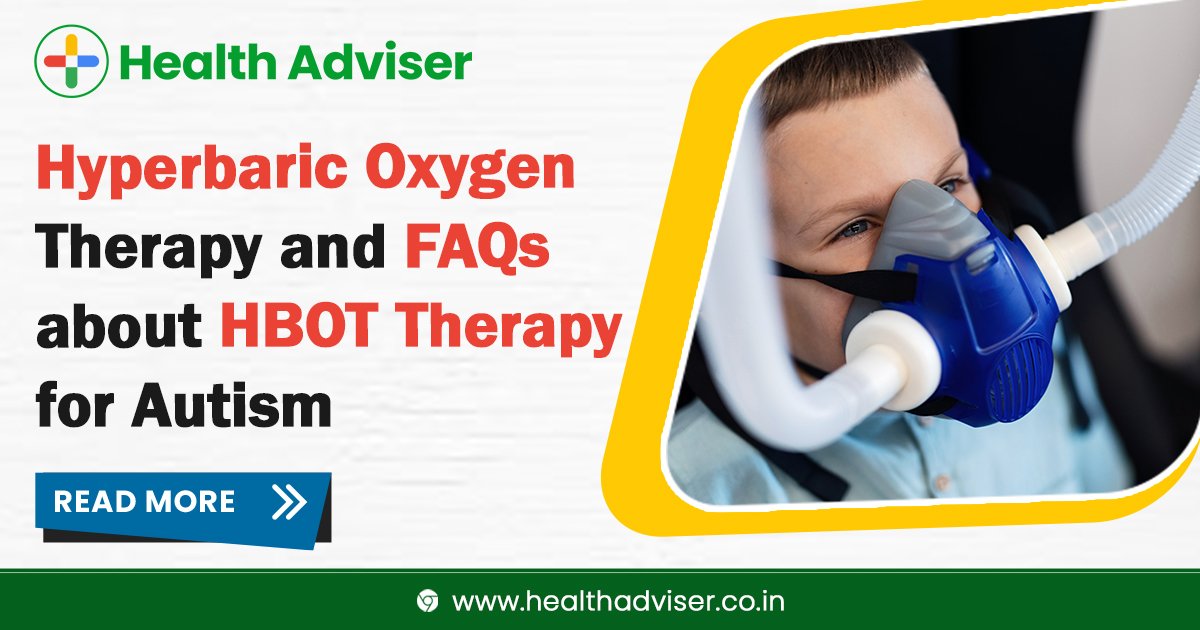
Here is the Hyperbaric Oxygen Therapy article. You can learn what is Hyperbaric Oxygen Therapy and Hyperbaric Oxygen Treatment Chamber also other what you need to know.
Introduction to Hyperbaric Oxygen Therapy
The tissues present in your body need an adequate supply of oxygen to function. When these tissues get injured, they require more oxygen to survive in contrast to regular.

Hyperbaric oxygen therapy is done to increase the amount of oxygen your blood can carry. An increase in blood oxygen temporarily restores normal levels of blood gases so that the tissue functions to promote healing and fight infection.
Hyperbaric oxygen therapy is used to treat several medical conditions and by several medical institutions in different ways. However, the evidence is insufficient to support that hyperbaric oxygen therapy can effectively treat various diseases.
Hyperbaric oxygen therapy is breathing 100% oxygen while under increased atmospheric pressure and can be traced back to the 1600s. It has acute and chronic drug effects which can treat basic pathophysiologic processes and their diseases.
https://www.slideshare.net/RajuPendem/hbot-therapy-hyperbaric-oxygen-therapy-ppt
Hyperbaric oxygen therapy is proven to be one of the most powerful inhibitors of reperfusion injury and is delivered at a maximum frequency of twice/day but not more than four times a day. It is a high-pressure oxygen treatment for an ailment or diseases or accelerated recovery.
What is Hyperbaric oxygen therapy (HBOT)?
Hyperbaric oxygen therapy (HBOT) is a medical treatment where the patient is closed entirely in a chamber and breathes oxygen while the chamber pressure is increased to a pressure greater than one atmosphere (1ATA).
The patient inside the chamber inhales the oxygen at high pressure so that lungs can gather more oxygen than normal conditions which dissolves in the blood plasma. It is a well-established treatment for decompression sickness, a hazard of scuba diving involves breathing of oxygen in a pressurized room or tube.

In Hyperbaric oxygen therapy, the air pressure is increased to three times higher than the normal air pressure in the chamber. Through this, the blood carries oxygen throughout the body so that you can fight with bacteria and stimulate the release of substances called growth factors and stem cells, which promote healing.
Hyperbaric oxygen therapy is used for different medical conditions and in different ways. It results in accelerated recovery as it’s one of the usages is the clearing of carbon monoxide poisoning.
Healing Benefits of Hyperbaric oxygen therapy
The following are the healing benefits of Hyperbaric oxygen therapy
- Slows cancer growth
- Boosts the supply of circulating stem cells
- Promotes the growth of new capillaries and blood vessels
- Boosts the efficacy of chemotherapy drugs
- Increased survival rates in patients with metastatic cancer by 77% when combined with a ketogenic diet
- Promotes new nerve growth in the brain
- Reduces radiation
- Induced inflammation in tissues and bones
- Stimulates oxygenation
- Supports faster wound healing
Benefits of Hyperbaric oxygen therapy for Anti-Aging
- Increases collagen and elastin production
- Increases antioxidant production
- Increases neuronal energy metabolism in the brain
- Can improve concentration and cognitive function
- Wakes up sleeping brain cells
- Enhances the body’s immune system and ability to fight infection
- Detoxifies the body (e.g. air pollution, etc)
- Removes free radicals
What are the approved uses of HBOT?
- Decompression sickness, experienced by divers and pilots
- Acute traumatic ischemia – for example, crush injury
- Air or gas embolism
- Arterial insufficiencies
- Anemia due to severe blood loss
- Thermal burns
- Carbon monoxide poisoning
- Some brain and sinus infections
- Intracranial abscess
- Gas gangrene
- Necrotizing soft tissue infections
- Radiation injury – for example, as a result of cancer therapy
- Skin grafts
Just before the hyperbaric oxygen therapy
The following are the items that must not be taken into the treatment area for safety reasons
- Lighters or matches
- Make-up, lipstick, lip salves
- Hairspray, hair oil
- Perfume, aftershave, cologne
- Wigs, hairpieces
- Hand or body cream, ointments
- Nail polish
- Nylon stockings
- Watches and jewellery (except for wedding rings)
- Hearing aids
- Synthetic clothing
- Contact lenses
- Felt-tipped pens
- Electronic equipment including mobile phones
Will insurance company consider HBOT for payment?
- Air or Gas Embolism
- Carbon Monoxide Poisoning
- Compartment Syndrome/Crush Injury/Other Traumatic Ischemias
- Decompression Sickness (Bends)
- Diabetic and Selected Wounds
- Exceptional Blood Loss (Anemia)
- Gas Gangrene
- Intracranial Abscess
- Necrotizing Soft Tissue Infection
- Osteoradionecrosis and Radiation Tissue Damage
- Osteomyelitis (Refractory)
- Skin Grafts and (Compromised) Flaps
- Thermal Burns
What information technicians need to know from the patient prior to HBOT?
- If you have any cold or flu symptoms, fever, sinus or nasal congestion, or chest congestion.
- If there is a possibility that you may be pregnant.
- If there has been a change in any of your medications.
- If you have skipped a meal prior to your HBO treatment.
- If you are diabetic and did not take your insulin prior to your treatment.
- If you have any concerns or anxiety.
When to undergo HBOT?
The doctor may suggest you undergo hyperbaric oxygen therapy if you have one of the following conditions:
- Anemia, severe
- Brain abscess
- Bubbles of air in your blood vessels (arterial gas embolism)
- Burn
- Decompression sickness
- Carbon monoxide poisoning
- Crushing injury
- Deafness, sudden
- Gangrene
- Infection of skin or bone that causes tissue death
- Non-healing wounds, such as a diabetic foot ulcer
- Radiation injury
- Skin graft or skin flap at risk of tissue death
- Vision loss, sudden and painless
- AIDS/HIV
- Allergies
- Alzheimer’s disease
- Arthritis
- Asthma
- Autism
- Bell’s palsy
- Brain injury
- Cancer
- Cerebral palsy
- Chronic fatigue syndrome
- Cirrhosis
- Depression
- Fibromyalgia
- Gastrointestinal ulcers
- Heart disease
- Heatstroke
- Hepatitis
- Migraine
- Multiple sclerosis
- Parkinson’s disease
- Spinal cord injury
- Sports injury
- Stroke
Side effects of HBOT
Every therapy includes some side effects. The following are the various side effects of Hyperbaric oxygen therapy.
- Lung damage
- Fluid buildup or bursting (rupture) of the middle ear
- Sinus damage
- Changes in vision, causing nearsightedness, or myopia
- Oxygen poisoning, which can cause lung failure, fluid in the lungs, or seizures
Risks involved in HBOT Treatment
- Temporary nearsightedness
- Middle ear injuries
- Leaking fluid
- Eardrum rupture
- Seizures in your central nervous system
- Fire due to the oxygen-rich environment
What Results Can I Expect from the Treatment?
Multiple sessions of HBO therapy must be needed in order to be effective and is often used along with other treatments. Your treatment plan and results may vary and depends on your specific condition.
For example, if you have wounds that are not healing as fast as it should be then your doctor may recommend HBO therapy along with other treatments like wound care, bandaging, and antibiotics. Your wound alone may require 25 to 30 HBO therapy sessions before it fully heals.
Inhalation injuries require less HBO therapy sessions compared to that of slow-healing wounds because significant exposure to carbon monoxide requires only one session of HBO therapy.
Additionally, people with decompression sickness or bends usually require only one session to improve their symptoms significantly. In general, the more chronic the medical condition will be, the more sessions of HBO you are required to achieve the effect.
Consult your doctor can help you learn how many sessions of HBO therapy you may need and to learn more about your specific treatment plan and its outlook. The doctors might prescribe other treatments along with HBOT if you need them.
What happens during the procedure?
Some hospitals have a facility of large hyperbaric oxygen chamber which can treat up to a dozen people at a time. But the typical hospital has a monoplace, which is equipment for just one person.
- You will likely be asked to remove your clothing and wear a 100% cotton medical gown
- You will lie on a table which is a clear plastic tube that’s about 7-feet long that slides into the monoplace
- You will be asked to relax and breathe normally during the procedure and you can watch TV or listen to music during the procedure
- You will be able to talk to the therapist who can see you and talk to you at all times during the treatment
- The chamber will be sealed and filled with pressurized oxygen
- The pressure will be raised up to 2.5 times the normal air pressure and you may experience some ear popping or mild discomfort which is completely normal
- The session will last anywhere from 30 minutes to two hours
- After the therapy, technicians will slowly depressurize the chamber
What happens during the procedure?
After the completion of the hyperbaric oxygen therapy session, you will feel lightheaded or tired and these symptoms usually go away after a short period of time. The number of sessions for hyperbaric oxygen therapy treatments depends on the extent of your wound and how well they respond to therapy.
How do oxygen chambers work?
- The air in the oxygen chamber is a bit different to that of normal air
- A higher percentage of oxygen
- A higher pressure than normal (up to 4psi or 1.3 ATA)
- These two differences mean that more oxygen dissolves in your blood
- Usually, most oxygen is carried in the red blood cells and a tiny amount in blood plasma, the liquid of your blood
- In an oxygen chamber, over 50% more oxygen dissolves in the blood plasma
- The pressure ‘pushing’ the oxygen into your tissues increases by over 3 times
- This means oxygen reaches and enters all the tissues present in your body more easily. This is important to know whether any disease, poor blood circulation in the case of diabetes, injury or surgery is stopping red blood cells from getting easily to the damaged area
- Oxygen is most vital for immune response to diseases, recovery from hard exercise and skin rejuvenation
- The mild hyperbaric oxygen chamber allows you to experience all these benefits in the safety of your own home or clinic without the need for extensive equipment, oxygen cylinders or specially trained staff
How should I prepare for Hyperbaric Oxygen Therapy?
- Before your treatments begin, practice equalizing your middle ear pressures using the instructions provided, because it prevents ear pain during treatment.
- It is advised to avoid all tobacco during the period of your treatments and thereafter if at all possible
- On the day of your treatment, shower or bathe and dress in loose-fitting clothing with cotton socks.
- If you have a wound, ensure that no oil or petroleum ointment is applied.
- Please bring as few personal items as possible to your treatment, since very few materials are allowed into the hyperbaric chamber
- Avoid using body oils, perfumes, lotions, nail polish and deodorants to lower fire risk and prevent harmful vapors from forming in the chamber
- Hearing aids, metal framed eyeglasses, hard contact lenses, jewelry, watches, dentures, and other prosthetic devices should be left home or placed in your locker before treatment
- Please have a light, nutritious meal one to two hours before your scheduled treatment
- If you have diabetes, glucose replacement will be provided inside the chamber if you feel your glucose level is low
- If you experience a fever or symptoms of infection such as a cough, sore throat, runny nose, aches, sinus pain, nausea, vomiting or diarrhea, please notify immediately
Can hyperbaric oxygen therapy potentially cure brain injuries?
Hyperbaric oxygen therapy (HBOT) has been proposed as a treatment for improving the oxygen supply to the brain for minimizing secondary brain damage.
Patients who are undergoing HBOT are placed in a specially designed chamber through which 100% oxygen is delivered at a greater than normal atmospheric pressure. It is often used as a treatment to increase the supply of oxygen to the injured brain so as to reduce the area of the brain that will die.
HBOT has a positive effect in a sub-group of patients with moderate injury, but not in the patients with the extensive cerebral injury. However, there is an uncertainty on the effectiveness of HBOT on the recovery of brain-injured patients.
There is also a concern on the potential adverse effects of the therapy, including damage to the ears, sinuses, and lungs from the effects of pressure, temporary worsening of short-sightedness, claustrophobia and oxygen poisoning.
Although there are rare serious adverse events, HBOT cannot be regarded as an entirely benign intervention. For a number of reasons, therefore, the administration of HBOT fort TBI patients remains controversial.
Hyperbaric Oxygen Therapy – FAQs
What are the types Of Hyperbaric Oxygen Therapy Treatment Chambers?
- Group chambers
- Individual chambers
- Home chambers
What are the conditions treated by Hyperbaric Oxygen Therapy?
- Stroke
- TBI5
- Severe Burns
- Diabetic Wounds
- Near Drowning
- Decompression Sickness
- Carbon Monoxide Poisoning
- Osteomyelitis6
- Severe Anemia7
Do I need a prescription?
Food and Drug Administration (FDA) considers Oxygen. So you must have a prescription prescribed by a physician.
Can a treatment be stopped at any time?
Yes. The technician has full control over the chamber, and a session can be stopped at any time.
How HBOT Complements Conventional Cancer Treatment?
HBOT complements conventional cancer treatment because of it:
- Slow cancer growth
- Direct chemotherapy drugs to a tumor
- Increase the body’s stem cell supply
What are HBOT applications?
- Wounds (Traumatic, Surgical, etc)
- Traumatic injuries with soft Tissue swelling
- Skin, Muscle, Tendinous our Ligamentous injury
- Severe muscle swelling
- Post Infection reactions
- Spider bites
- Bone infection
- Head and Spinal injury
- Gastric ulcer healing
How might Hyperbaric oxygen work?
- Alter gene/ protein expression in various cells of the central nervous system to aid cell survival
- Help improve regeneration of damaged tissue
- Reduce fatigue through reoxygenation of tissue
- Alterability of immune cells to cross the blood-brain barrier
What are the perceived benefits of people using HBO therapy on regular basis?
- Reduction of Fatigue
- Feeling less depressed
- Stabilization of symptoms
- Better mobility
- Improved bladder control
- Less pain
- Better gait
What are the physical laws behind HBOT?
- Boyle’s law
- Dalton’s law
- Graham’s law
- Henry’s law
What are the indications for Hyperbaric Oxygen Therapy due to Carbon Monoxide Poisoning?
- Evidence of end-organ damage regardless of COHb level
- Loss of consciousness, coma, seizures
- Confusion, cognitive deficits, focal findings, visual symptoms
- Myocardial ischemia, life-threatening dysrhythmia
- Persistent symptoms after treatment with 1 atm oxygen
- COHb level>25% (15% in pregnant women) regardless of symptoms
What are the contraindications for Hyperbaric Oxygen Therapy?
- Chronic sinusitis
- Congenital spherocytosis
- Emphysema with CO2 retention
- History of optic neuritis
- History of reconstructive ear surgery
- History of spontaneous pneumothorax
- History of thorax surgery
- Pulmonary lesions in routine X-ray or CT scan
- Seizure disorders
- Sickle cell anemia
- Uncontrolled high fever
- Upper respiratory infections
- Viral infections
What are the Biochemical and Cellular benefits of HBOT Treatment?
- Promotes wound healing and angiogenesis
- Kills certain types of anaerobes
- Prevents the growth of Pseudomonas
- Prevents the production of the toxin- clostridial alpha
- Restores the bacterial killing process by neutrophil in hypoxic tissues
What conditions can be treated?
- Wounds that are infected or do not heal
- Diabetic ulcers (to prevent amputations)
- Damage from radiation (for example, radiation therapy for cancer)
- Gas poisoning (for example carbon monoxide poisoning)
- Burns

Frequently Asked Questions about Hyperbaric Chamber and HBOT Therapy for Autism
Hyperbaric oxygen treatment is slowly emerging as a widely popular alternative off-label treatment for Autism Spectrum Disorders.
However, there is not much awareness regarding the application of this therapy in treating autism and therefore is often misunderstood by many. Here we try to provide answers to some of the most commonly asked questions about HBOT therapy and hyperbaric chambers.
- What Is Hyperbaric Oxygen Therapy?
Hyperbaric Oxygen Therapy, also known as HBOT therapy, uses pure, unadulterated oxygen to boost the body’s natural healing capabilities. The oxygen is administered to the individual diagnosed with ASD inside the hyperbaric chamber where the pressure is higher than the normal atmospheric pressure.
The aim of this treatment is to deliver an additional amount of oxygen to the damaged or affected area of the body to enhance the system’s own natural healing process.
Generally, our red blood cells act as the oxygen carriers and deliver the element to all the cells and tissues of our body. However, with HBOT, 100 percent pure oxygen gets dissolved into the plasma, fluids present in the central nervous system, the lymph, and all other bodily fluids, which deliver it to the affected areas of the body, where the blood circulation is either blocked or reduced.
- What Is a Hyperbaric Chamber?
Hyperbaric chambers are sealed compartments where 100 percent pure oxygen is administered to the patient. The air pressure inside the chambers is increased accordingly once the patient gets inside. This allows the body to inhale the concentrated oxygen which is then used to heal damaged cells and tissues.
- What Are the Benefits of HBOT for Treating Autism?
Children diagnosed with ASD have been observed to suffer from related health conditions, including cerebral hypoperfusion, gastrointestinal inflammation, neuroinflammation, oxidative stress, mitochondrial dysfunction, and many more.
These related conditions form a vicious cycle, further degrading the behavioral and psychological health of the children. Studies have found that there has been a significant improvement in the health of the autistic individuals after undergoing hyperbaric oxygen therapy.
- How Does It Feel Inside the Hyperbaric Chamber?
Given that HBOT therapy is the non-invasive form of a treatment procedure, the patient will not feel any kind of pain. Initially, while the compression takes place the patient may experience slight pressure in their ears, akin to what we feel when a flight takes off. However, apart from that no other complication or discomfort is supposed to take place.
- What to Wear Inside the Hyperbaric Chamber?
The clothing is generally provided by the staff of the medical center where the treatment is supposed to take place. However, if the doctor states that the patient can wear his/her own clothes, it must be ensured that the individual refrains from wearing jewelry, wristwatch, or undergarments containing metal clasps and wires inside the hyperbaric chamber.
Regardless, it is ideal to wear the clothes offered by the medical center or comply with the instructions given in terms of clothing, safety, and personal items.
- What If the Patient Suffers from Claustrophobia?
The hyperbaric chambers in medical centers are mostly clear acrylic-sealed chambers, where the patient can have a clear view in all directions. Thus, the patient should not face too much trouble with claustrophobia. However, if it becomes an issue it is better to consult with the doctor and the technician to make necessary changes for the comfort of the patient.
- How Long Does an HBOT Session Last?
The length of an HBOT session solely depends on the severity of the condition as determined by the doctor. The physician can prescribe a 30 minute, 60 minute, or a 90-minute HBOT session for treating autism.
- How Is Hard Hyperbaric Chamber Different from Soft Hyperbaric Chamber?
There are two basic categories of hyperbaric chambers, namely, hard hyperbaric chambers and soft (or mild) hyperbaric chambers. As it is evident from the name, hard hyperbaric chambers are made of steel and are generally used in medical treatment centers and hospitals.
Soft hyperbaric chambers are inflatable in nature and are usually used to conduct private treatment in the confines of one’s home or while traveling.
The major difference between these two is the level of air pressure each can accommodate. While soft hyperbaric chambers can accommodate an air pressure of up to 1.3 to 1.5 ATA, the air pressure inside hard hyperbaric chambers can reach up to a level of 6.0 ATA.
- Has FDA Approved HBOT for Treating Autism Spectrum Disorders (ASD)?
The Food and Drug Administration (FDA) has approved hyperbaric oxygen therapy for the treatment of 13 different health conditions. However, this list does not contain autism and related behavioral and psychological conditions.
Regardless, HBOT therapy is gaining popularity as an alternative treatment among parents with an autistic kid or children, as positive results are in the community.
In Conclusion:
Hopefully, the section above has addressed your doubts regarding HBOT therapy thoroughly. However, if you still have doubts and questions in your mind regarding the procedure, it is best to run them by your doctor and get his/her opinion and prescription on the same.